The magic the empire tried to bury — and the people who would not let it die.
Long before the empire, the wizards — all of them, undivided — rose against the old gods and banished them from the world. There was no “Shadow” among them then: a wizard was a wizard, and the distinction that now damns half their number did not yet exist.
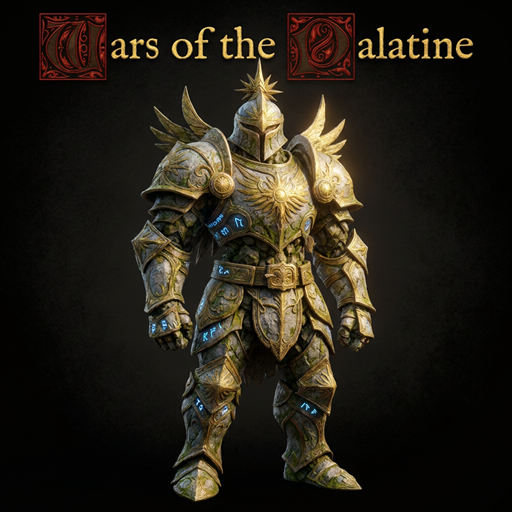
That line was drawn much later, and the wizards did not draw it. When the Palatine Knights were forged and the empire rose on their backs, it was the empire and its Knights that split wizardry in two. The traditions useful to the Knights — fire, lightning, protection — were kept close as the honored Tower Wizards. Everything the Knights had no use for was cast into the shadow. That rejected wizardry, taken together, is Shadow Magic, and those who work it are the Shadows.
To be a Shadow is not the same as to be outlawed. Shadow Magic runs from the merely mistrusted to the strictly forbidden:
- Nature — the oldest craft of all, mastery over beasts and growing things. Its wizards ruled this region before the Knights were ever found, and they rebelled against their making; they were crushed, and the empire took none of their art into its golems. But nature magic was never banned — only mistrusted. A nature wizard practices in the open, watched.
- Illusion — the bending of sight and certainty, a quiet art that needs no army to be dangerous. This one is outlawed as heresy.
- Necromancy — the raising and binding of the dead, the most feared of the heresies, and the one no city will tolerate within its walls. Outlawed, and worked only in the dark.
The Shadows are not a single faction. Some want only to practice in peace. Others wage a patient, secret war over relics the empire would rather stayed buried — for the old powers were banished, not destroyed. There are those, in the deep places and the high councils both, who would see them stir again. What walks back into the world if they succeed is a question the Tower Wizards do not like to be asked.